
How to Choose a Barber or Cosmetology School
State licensing sets the hour minimums, but what you do during those hours is what determines whether you graduate ready to work, or just ready to test.
Key Takeaways
- State licensing requires 300 to 1,000 hours depending on your credential type, and schools must cover all exam content to prepare you properly.
- Hands-on training with real clients under instructor supervision builds the practical skills employers expect, not just theory.
- Program length and schedule intensity affect how quickly you enter the workforce and what your tuition commitment looks like.
How training hours are typically structured
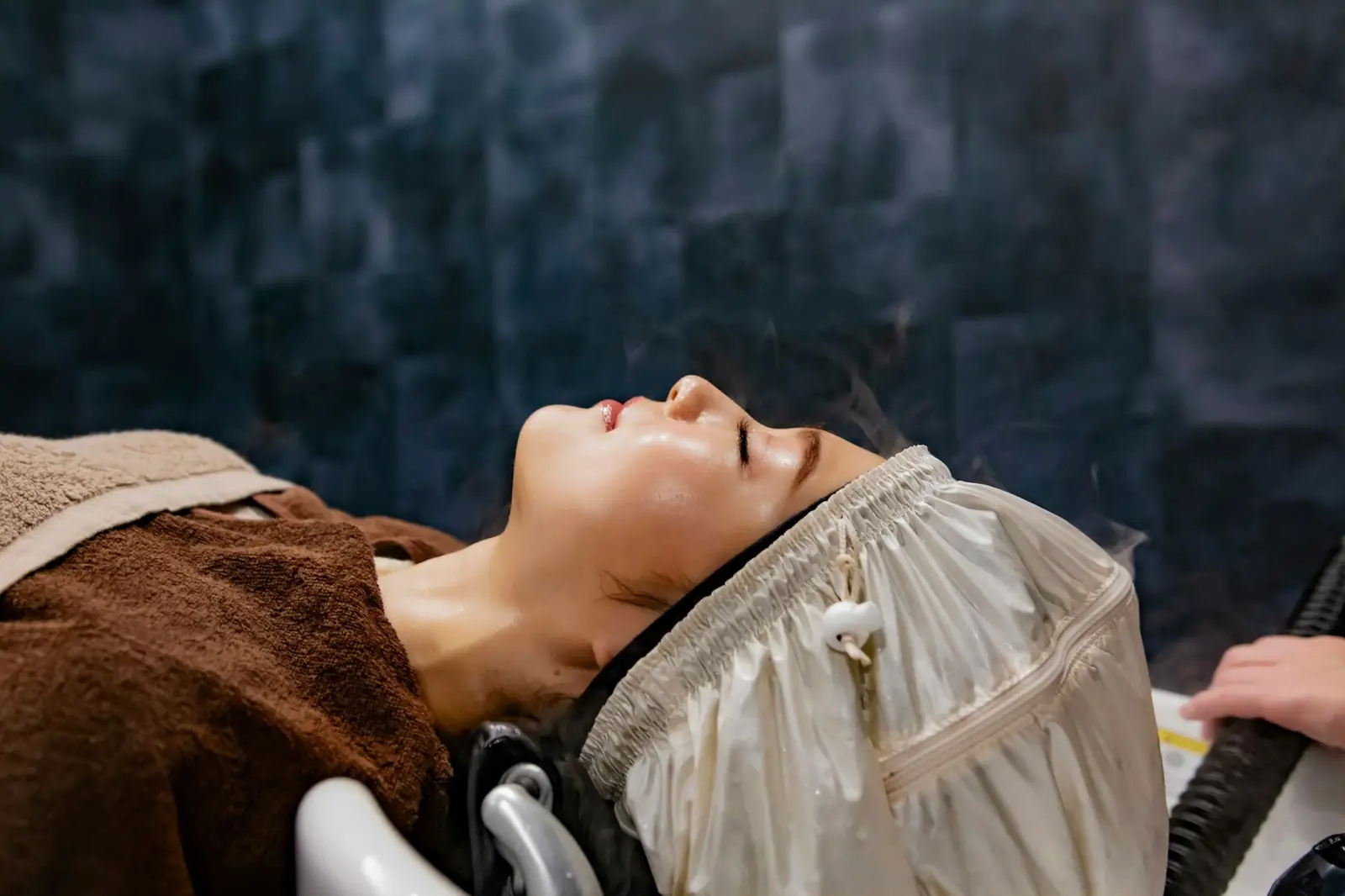
State barber licensing requires either 1,000 hours (Class A) or 300 hours (crossover), cosmetology requires 1,000 or 300 hours, nail technician requires 600 hours, and esthetician requires 750 hours. These are legal minimums ensuring every graduate meets the state's baseline for safety and technical competency, but not all hours are equal. What you do during them determines whether you graduate ready to work or just ready to test.
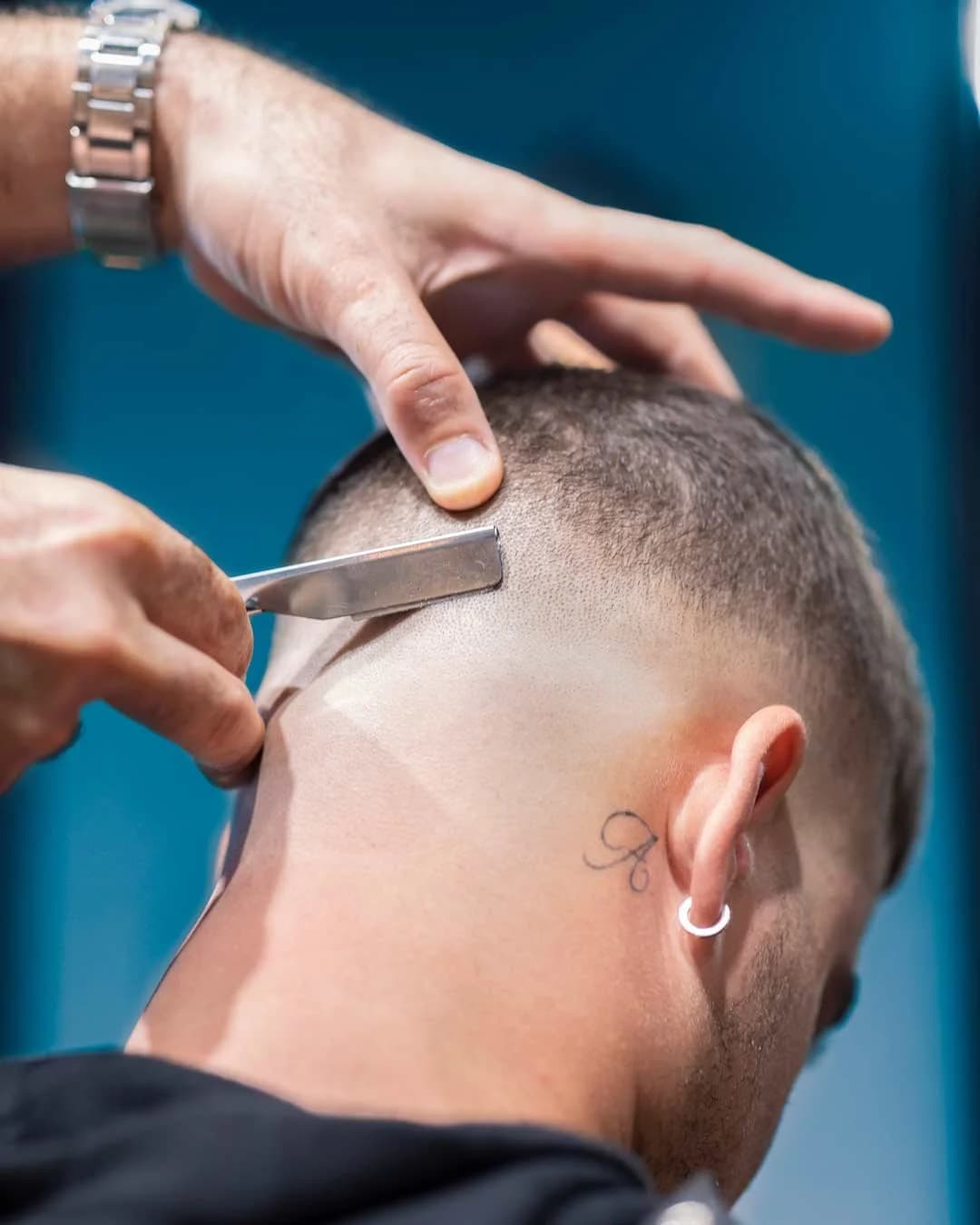
Some programs load the front end with classroom lectures, then rush client work into the final weeks. Others put students in front of real clients early, under supervision, building muscle memory and reading skills as they go. That gap between practice and reality is where confidence either builds or breaks.
What affects cost, schedule, and outcomes
A 300-hour program gets you to the exam faster, meaning you start earning sooner, but with fewer supervised client hours to refine technique. A 1,000-hour program costs more and takes longer but graduates with deeper skill and more client-handling experience, fewer surprises once you're working without an instructor nearby.
Instructor-to-student ratios directly affect the amount of hands-on feedback you receive per training hour. A class of twenty students with one instructor means a few minutes of correction per service; a class of eight means more real-time adjustment and fewer bad habits that solidify before anyone catches them.
Why direct instructor supervision is the real differentiator
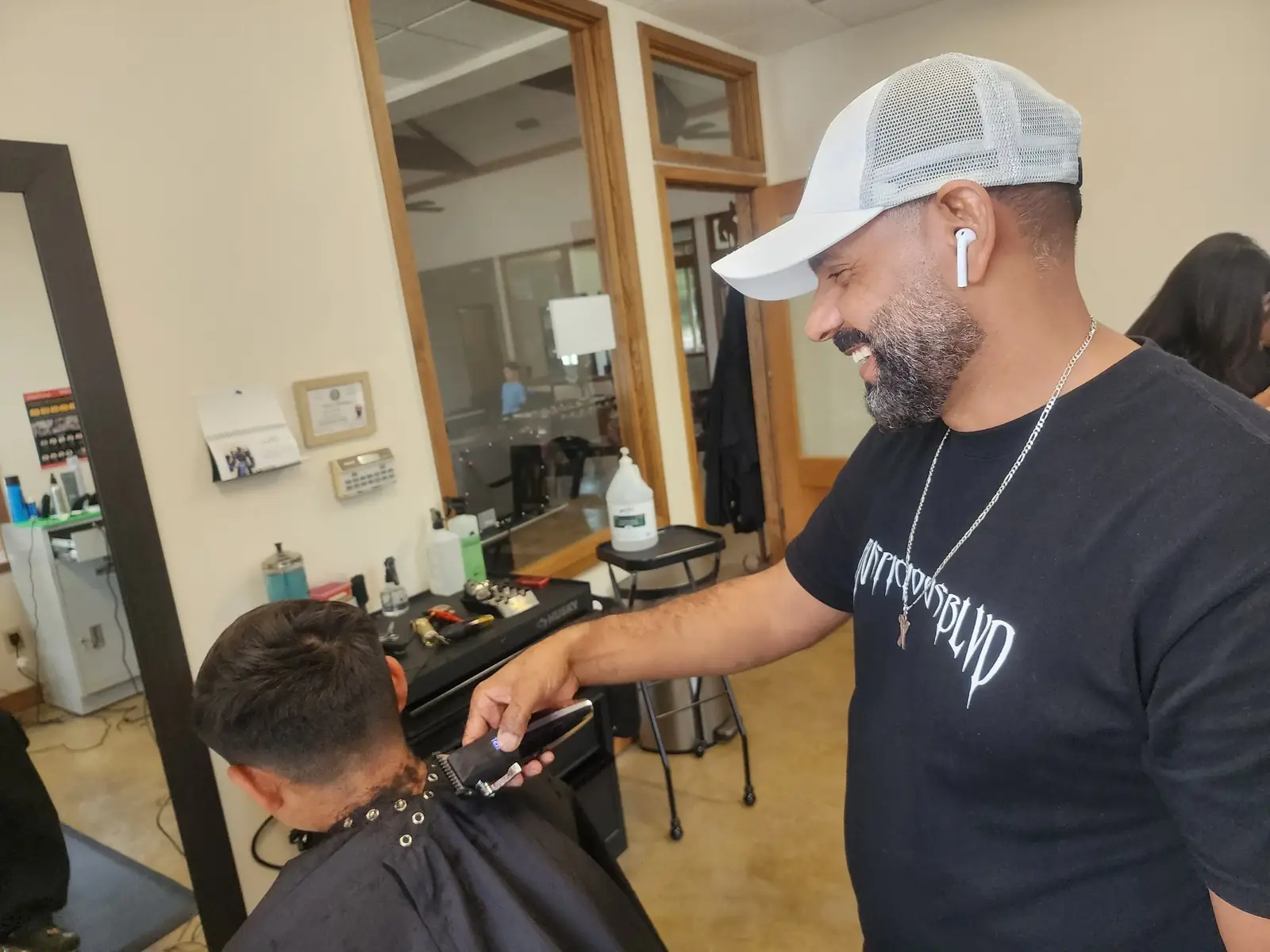
Hands-on training with real clients under instructor supervision means instructors work alongside students during actual client services, not just demonstrating a technique and leaving students to practice alone. When an instructor is next to you while you're cutting hair or applying color, they catch a mistake before it becomes a problem and show you how to adjust for a client's specific hair type or face shape in real time.
Frequently Asked Questions
Will I be ready to pass the state licensing exam after graduation?
Readiness depends on whether your program covers all exam content and gives enough practice on the practical portion. Schools that align curriculum with state board requirements and run mock exams prepare you better than programs that just teach the minimum hours.
What's the real difference between a 300-hour and 1,000-hour program?
A 300-hour program teaches the core techniques required to pass the licensing exam and perform basic services competently. A 1,000-hour program gives more time to refine those techniques, practice a wider range of services, and build the speed employers expect.
Do instructors watch and correct me while working with clients?
In programs built around hands-on training, yes, instructors observe and correct technique in real time while you work with clients, until you've demonstrated proficiency and built safe habits for independent work.
Ready to take the next step?
Explore our licensed training programs or stop in for a walk-in service in our student clinic.