Barber Program · 1000 Hours
Class A Barber, 1000 Hours
The full 1000-hour track that meets Texas's Class A Barber licensing requirement and prepares you to work independently in any barbershop, from your first fade to your first straight razor shave.
Why 1000 hours matters
Texas requires 1000 hours of training to qualify for Class A Barber licensure, the credential that lets you work independently in any barbershop in the state. A 300-hour program can be a useful stepping stone for people who already hold certain credentials, but it does not grant the legal authority to perform the full scope of barbering services without supervision. If the goal is your own chair, or your own shop, the 1000-hour path is the one that gets you there.
The difference isn't only legal. Across 1000 hours you build the muscle memory and judgment that separates a barber who knows the theory from one who can execute under pressure, reading hair texture, managing a stubborn hairline, and staying steady when a client changes their mind mid-service. That's the difference clients notice and the difference that keeps a chair booked.
How the training progresses
Early weeks focus on sanitation, tool handling, and foundational cuts on mannequins. As you demonstrate competency, you move to real clients at the school, not observation, but performing the service while an instructor watches, corrects, and steps in when needed.
The progression is deliberate: basic cuts first, then beard trims, straight razor shaves, edge-ups, and color work. By the final third of your hours, you're expected to run a full client consultation and execute services with minimal instructor intervention, the exact baseline expectation waiting for you on day one of a real job.
Planning your schedule and budget
Full-time attendance (typically five or six days a week) shortens your total time to completion. Part-time schedules protect a job or family commitments but stretch the calendar, sometimes doubling it. Full-time students in the 1,000-hour barbering program typically finish in six to nine months; part-time students should plan for twelve to eighteen months.
Flexible payment plans are available. Contact us for current pricing and a full cost breakdown before you commit, tools, textbooks, uniforms, and state exam fees can vary depending on the program.
Frequently Asked Questions
Can I get a barber license with just the 300-hour program?
No, Texas requires the full 1000 hours for Class A Barber licensure. The 300-hour program serves as a crossover for those who already hold certain credentials; it doesn't grant independent licensure on its own.
Will I work on real clients, or just mannequins?
Both, in sequence. Mannequin work builds foundational tool handling early on. Once you demonstrate competency, most of your training hours involve real clients at the school, working under direct instructor supervision.
How long does it take if I'm working another job?
Part-time students typically finish in twelve to eighteen months depending on weekly hours. Full-time students usually complete the 1000 hours in six to nine months.
Program Overview
- Program Length
- 1000 Hours
- Tuition
- Contact for pricing
- Outcome
- Eligible to sit for the Texas Class A Barber licensing examination
Curriculum Highlights
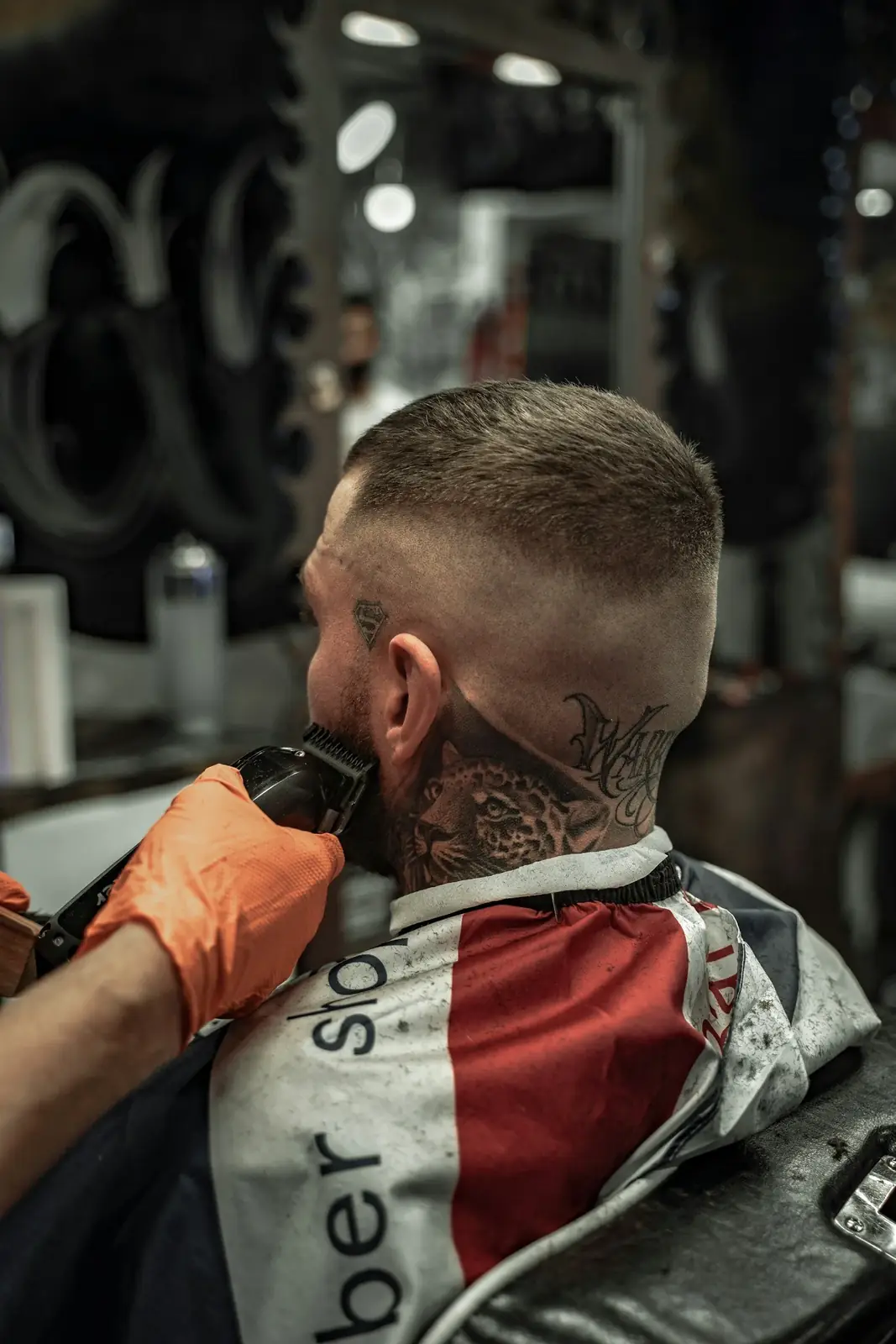
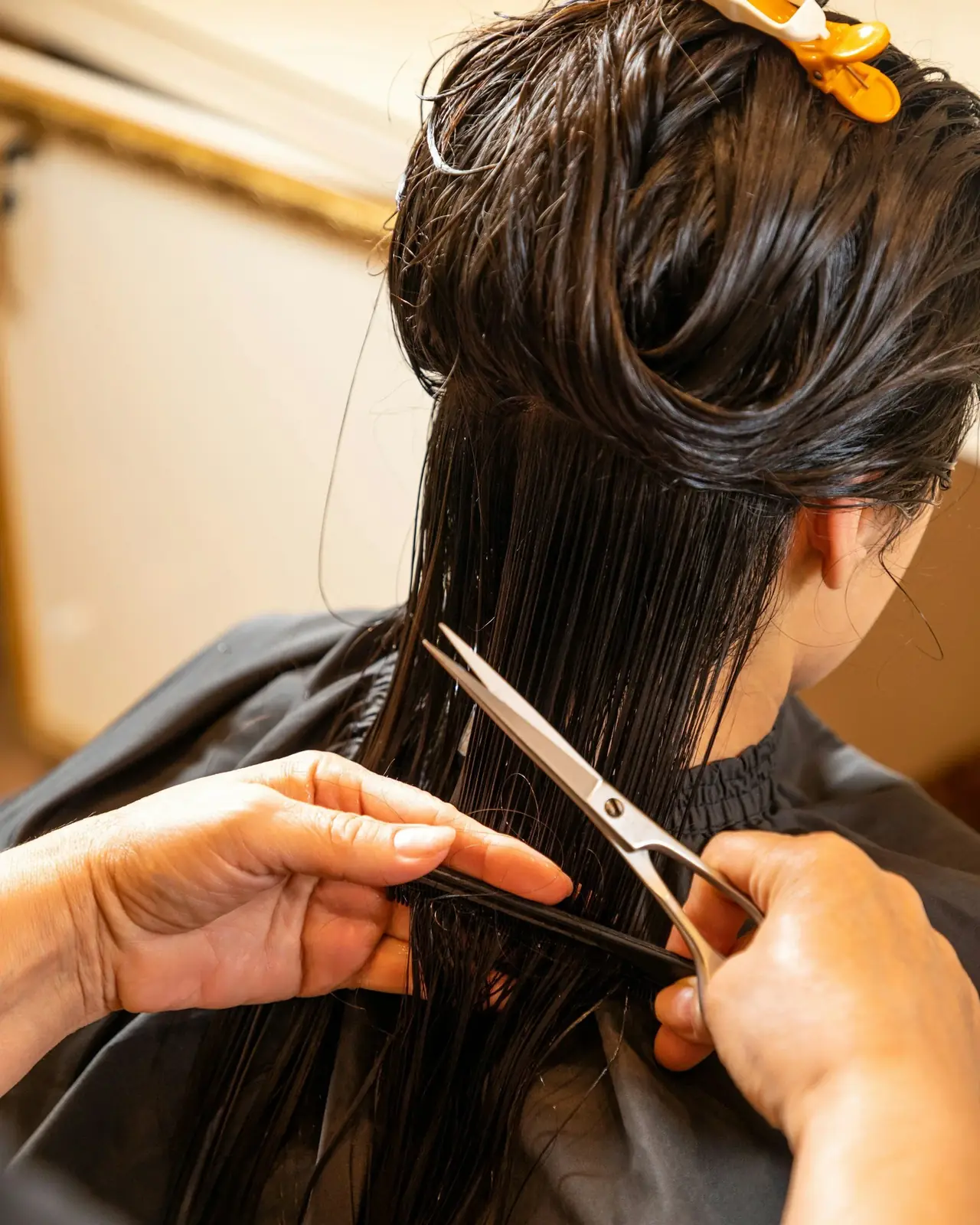
- Haircutting techniques including fades, tapers, and classic styles
- Beard trimming, shaping, and grooming services
- Straight razor shaving techniques
- Hair styling and finishing techniques
- Sanitation, safety, and infection control practices
- Client consultation and professional customer service
- Barbershop professionalism and workplace readiness
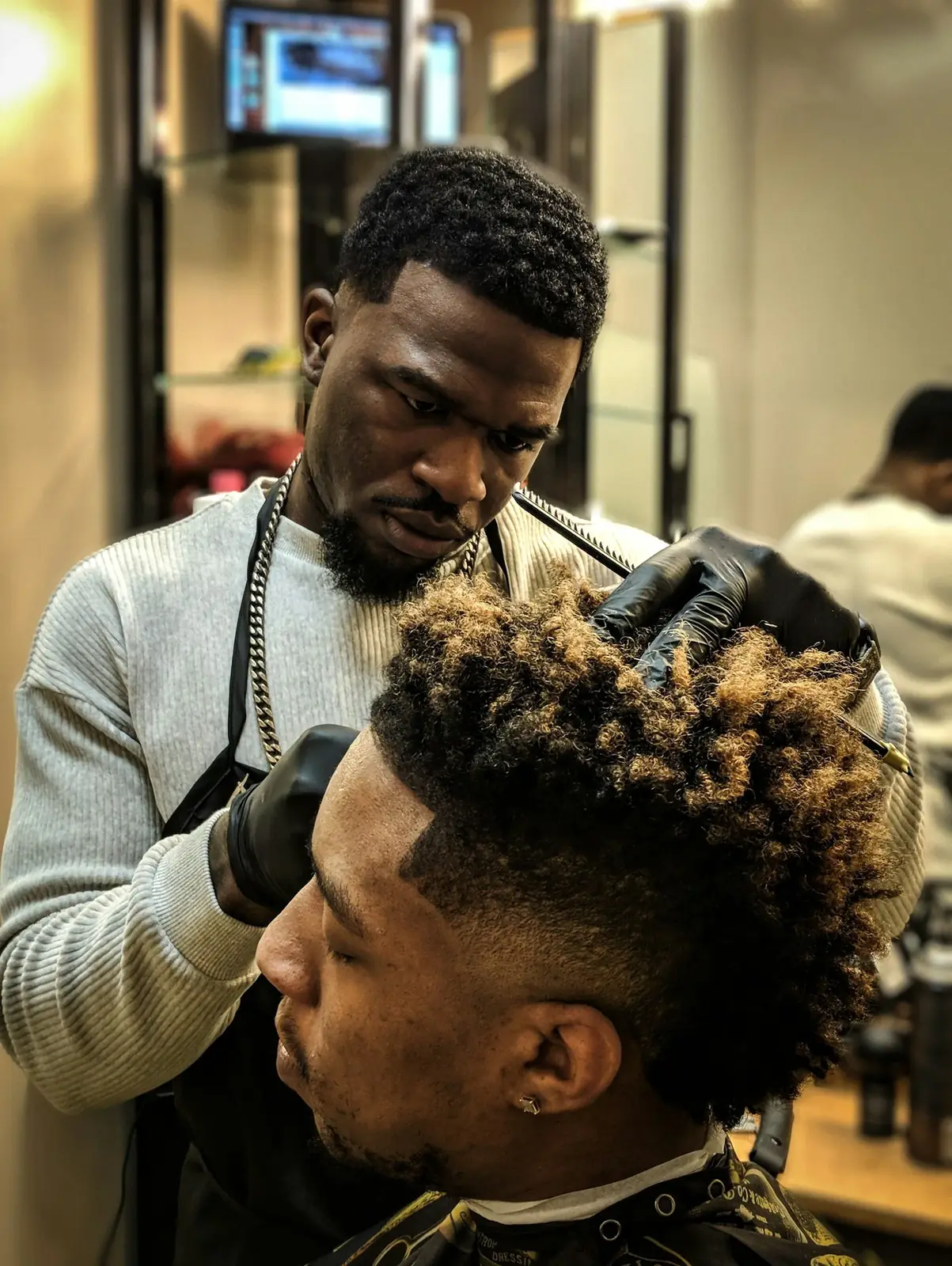
- Hands-on experience working with real clients under instructor supervision