Why Choosing the Right Beauty School Matters (And How to Decide)
Program length matters less than curriculum depth. Here's how to actually evaluate a barber or cosmetology school beyond the tuition brochure.
Key Takeaways
- Training with real clients builds muscle memory and decision-making speed that classroom theory alone cannot replicate.
- Program length matters less than curriculum depth, a 1,000-hour program that rushes through techniques leaves bigger gaps than a structured 300-hour course that drills fundamentals.
- State licensing preparation varies widely by school; some programs align every module with exam requirements, while others treat the test as an afterthought.
How hands-on training changes what you can actually do
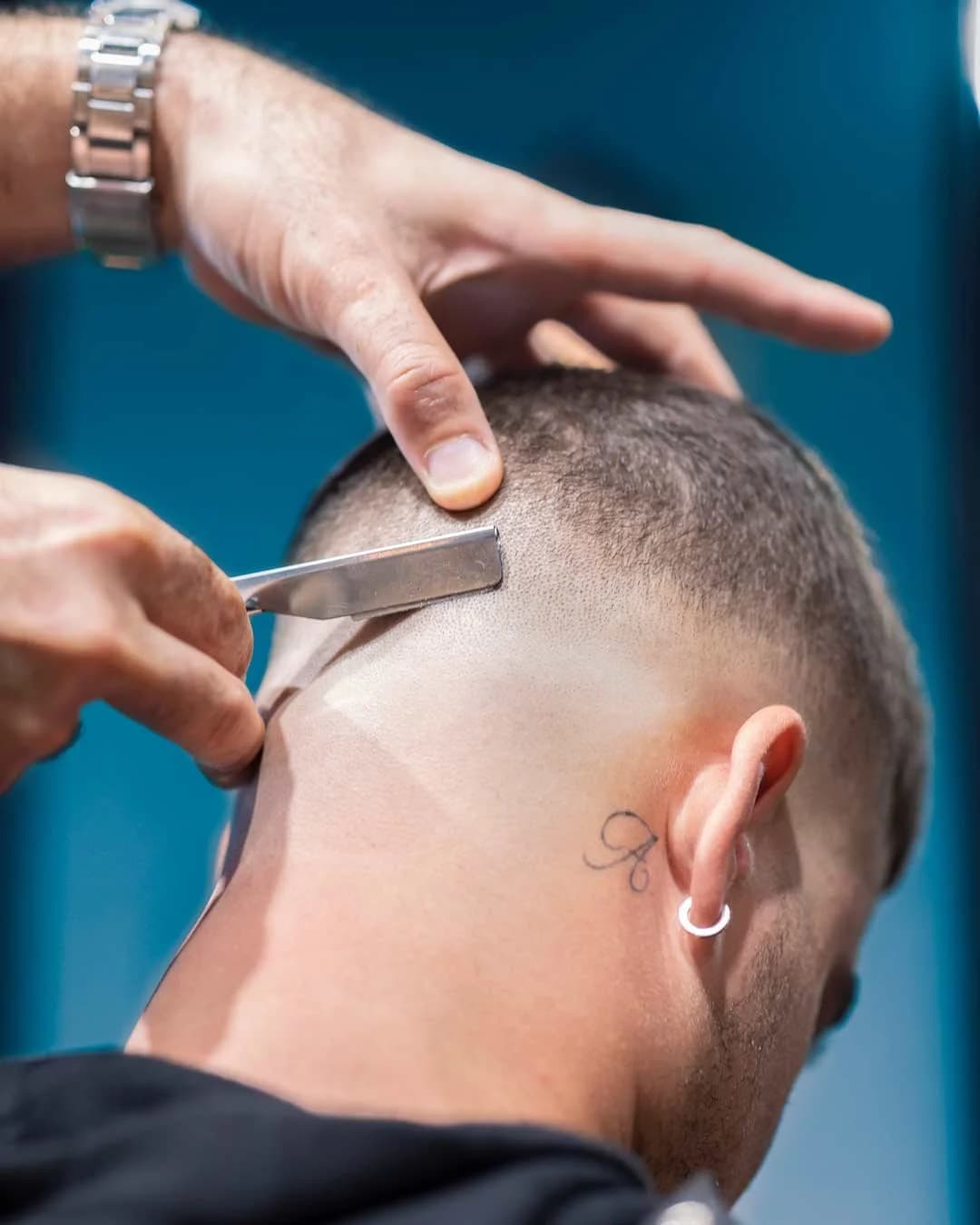
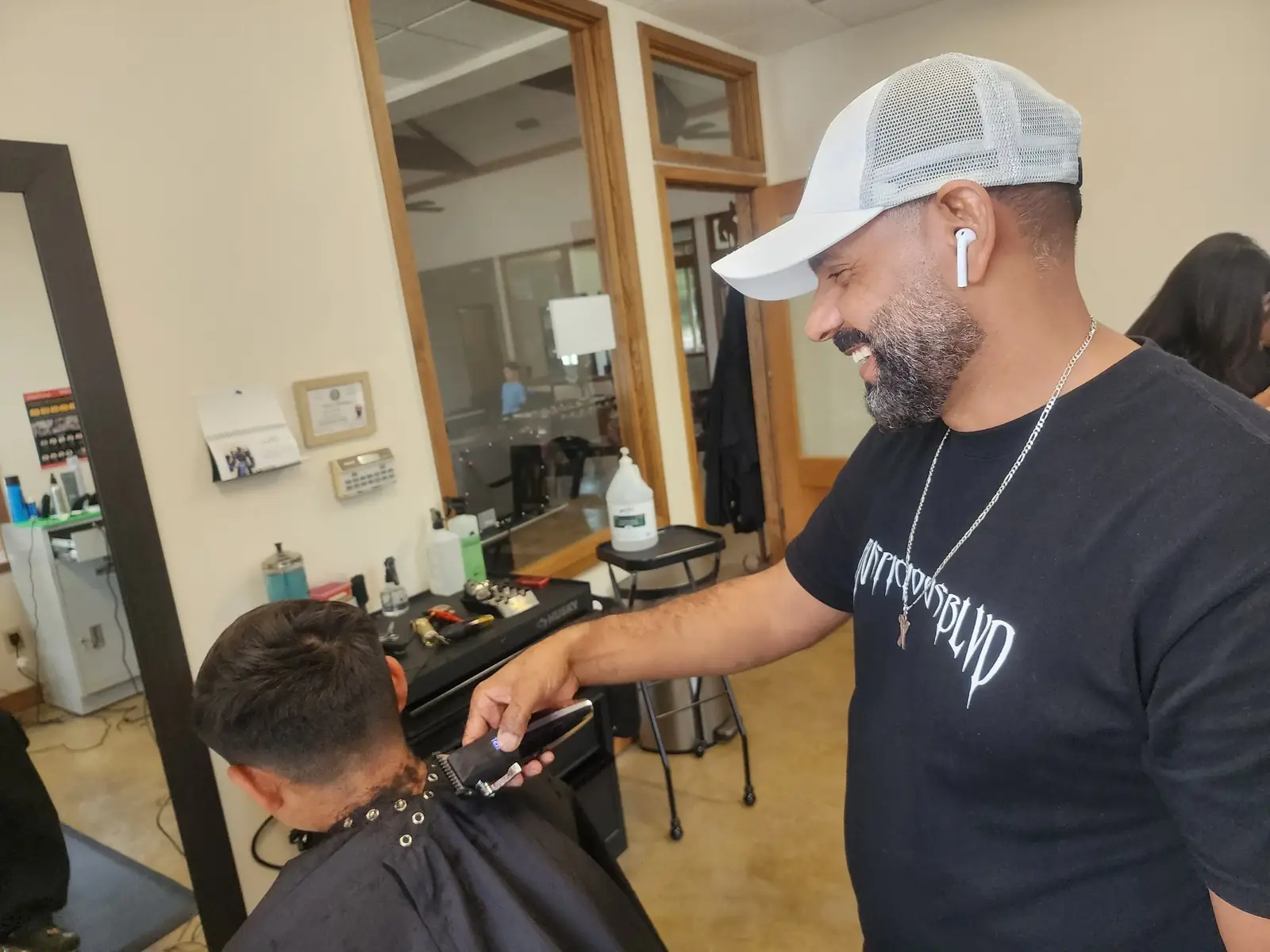
Classroom instruction teaches you what a fade should look like. Hands-on training with real clients teaches you how to recover when the guard slips, the client moves mid-cut, or the hair texture behaves differently than the mannequin's, the difference is muscle memory under pressure. Schools that integrate real client work early, under direct instructor supervision, force students to make live decisions in real time. Programs that delay client work until the final weeks leave students with strong theory and weak situational reflexes, they pass the exam but freeze on their first salon shift.
Program length vs. curriculum depth
A longer program is not automatically a better one. A 300-hour program that's tightly designed, every hour deliberate, techniques drilled to automaticity, client work starting early, can prepare you better than a 1,000-hour program that stretches the same content across more weeks without adding depth. Ask any school to walk you through a typical week's schedule, including how many client hours you'll complete by week 10. If they can't answer that specifically, the structure isn't there.
Why state licensing prep should be a priority
Passing the state licensing exam is not a formality, it's a multi-part test evaluating sanitation knowledge, state regulations, and practical technique under timed conditions. Schools that align curriculum with exact exam requirements give you a meaningful advantage over programs that treat the exam as something you'll figure out after graduation.
Questions worth asking on a school visit
How many hours of supervised client work will I complete before graduation, specifically? What is your first-time pass rate on the state licensing exam? How many students are assigned to each instructor during hands-on sessions? When do students start working with real clients, and what supervision is in place? Schools that answer these clearly and specifically have thought through how to actually prepare students.
Frequently Asked Questions
What is the average cost of beauty school?
Tuition varies by program length and specialty. A 300-hour barbering program typically costs less than a 1,000-hour cosmetology program, and specialized courses like nail technology or esthetics fall in between. Ask about total cost and payment structure before enrolling.
How long does a cosmetology program take?
A 1,000-hour cosmetology program takes roughly six to twelve months full-time. A 300-hour program can be completed in as little as two to four months, depending on schedule.
What should I look for in a curriculum?
A curriculum that balances foundational technique with real client work started early, not delayed to the final weeks, and one that explicitly aligns with state licensing exam requirements with practice exams built in throughout.
Ready to take the next step?
Explore our licensed training programs or stop in for a walk-in service in our student clinic.