
$7 · Walk-ins Welcome
Beard Trims: Technique, Style, and Training
A quality beard trim requires understanding face shape, hair growth patterns, and the right tools. What separates a basic trim from skilled barbering is the ability to read each client's unique growth direction and adapt technique accordingly, the difference shows up in how long the trim lasts and how easy the beard is to maintain at home.
Key Takeaways
- Beard density and growth direction vary by individual, requiring customized approaches rather than one standard technique for all clients.
- A Class A Barber program includes 1000 hours of hands-on training, covering beard work alongside full barbering scope.
- Clipper guard size, blade angle, and scissor technique each affect the final line, texture, and how long the trim lasts before regrowth shows.
How the process works
The consultation comes first. A barber assesses beard density, growth pattern, and desired length, then sets realistic expectations for the final shape, not every beard grows evenly, and some areas will always be thinner than others.
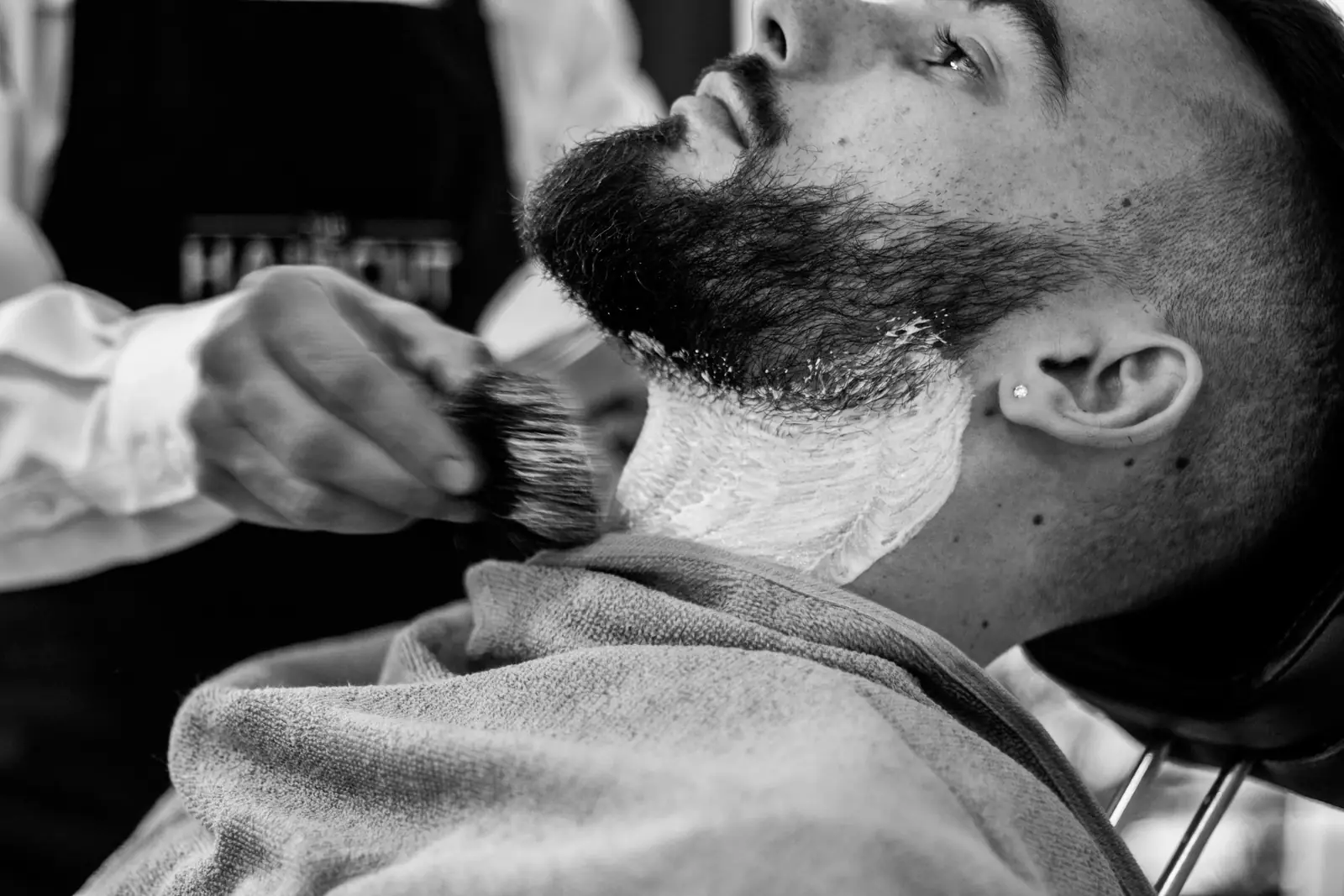
Washing and preparation follow: pre-trim cleaning removes oil, product buildup, and loose hair that can clog clipper blades or obscure the true hairline. Clipper work handles bulk removal and initial shaping, guards control length, and scissor finishing refines texture and softens hard lines. Detailing around the neck and cheeks defines the overall shape and requires steady hand control, since even small asymmetries become obvious as the beard grows out.
Choosing a beard style
Face shape drives style selection: round faces benefit from longer beards that add vertical length, while square faces can handle fuller sides that emphasize the jawline. Length options come with maintenance trade-offs, shorter trims require more frequent visits, longer styles need daily grooming at home but can go longer between appointments.
Line definition affects both formality and styling effort. Full natural edges read casual and require minimal upkeep; shaped, tapered, or faded lines create a cleaner, more formal look but demand precision and more frequent touch-ups.
Training and real-world experience
Hands-on practice with real clients is essential because textbook knowledge alone doesn't prepare a barber for the variety of beard types, growth patterns, and client preferences encountered in a salon. Supervised practice allows a student to build confidence and receive immediate feedback before working independently, an instructor can spot a technique error as it happens and correct it on the spot, preventing bad habits from taking root.
Expert Barber Beauty Academy provides hands-on training with real clients under instructor supervision, preparing students for the range of situations they'll face once licensed. Every student becomes proficient in beard trimming and comfortable performing the service independently by the time they complete their training.
Frequently Asked Questions
How often should someone get a beard trim to keep it looking sharp?
Most people need a trim every two to four weeks, depending on how fast their beard grows and how defined the lines are. Shorter, more sculpted styles show regrowth faster and require more frequent visits.
What's the difference between a beard trim and a full shave?
A beard trim shapes and maintains existing facial hair, while a full shave removes it entirely using a straight razor. Choose a trim to keep the beard but refine shape, length, or edges; choose a full shave for a completely clean face or a fresh start after growing out a beard.
Can a barber fix a beard trim that was done poorly elsewhere?
Yes, depending on how much length is left. If a previous trim removed too much, a barber can clean up uneven lines and shape what remains, though you'll need to wait for regrowth to restore the original length.
Beard Trim
$7
Basic to advanced beard trims, performed by students under instructor supervision. Walk-ins welcome during business hours, no appointment needed.