Lash Program · 320 Hours
Eyelash Extension, 320 Hours
320 hours split evenly between mannequin practice and real-client work under supervision, because isolation, adhesive placement, and lash mapping only become reliable once you've done them on people who blink, move, and have opinions.
How the training works
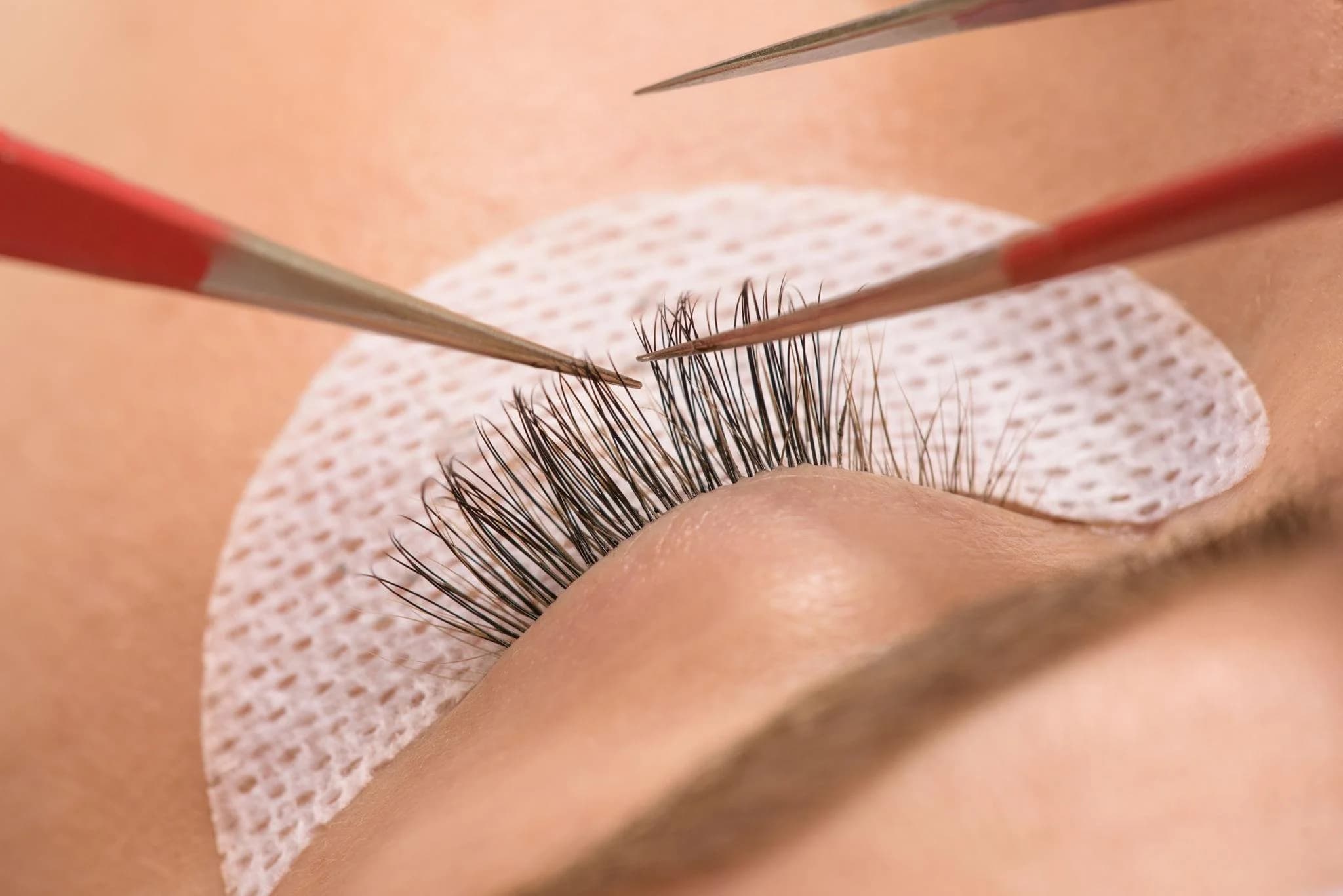
Training starts with theory: lash anatomy, adhesive chemistry, and the safety protocols that prevent allergic reactions and eye irritation. You'll learn why certain adhesives bond better in specific humidity ranges and which sanitation practices prevent cross-contamination, the foundation that keeps you from guessing later when a client's lashes aren't holding.
From there you move to mannequins to practice isolation, adhesive placement, and lash mapping without the pressure of a real client, and once your technique is consistent, you work with real clients under instructor supervision. Training time is split roughly evenly between real clients and mannequins, the eyelash extension course at Expert Barber Beauty Academy totals 320 hours.
Why real-client hours change the outcome
You can watch an instructor isolate a natural lash and attach an extension perfectly a hundred times. The first time you try it on a person whose eye waters or whose lashes are sparse on one side, demonstration turns out to have taught you the ideal case and nothing about the variables. Hands-on training compresses the learning curve because it forces real-time problem solving, adjusting pressure, repositioning your hand, and learning to tell normal sensitivity from a sign to stop.
The instructor-to-student ratio during real-client training never exceeds 10 to 1, which means mistakes get caught before they become habits. Technical skills like isolation technique, adhesive placement, lash mapping, and safe removal each directly affect client satisfaction and repeat business, and each is something instructors correct in the moment, not after the fact.
What separates a job-ready lash artist
Technical skill earns the appointment; how you handle the consultation keeps the client coming back. A client who asks for dramatic volume might have a lifestyle that makes daily maintenance impossible; another might expect natural-looking lashes to photograph like the Instagram post that brought them in. Closing that gap before you start the application, not after they leave disappointed, is a skill built through real consultations, not role-play.
In Texas, this program results in a standalone certification rather than a state license, which means you can start working faster than a route that requires a broader esthetician or cosmetology credential. It's a focused path for people who want to specialize in lash work specifically.
Frequently Asked Questions
Do I need a cosmetology or esthetician license first?
Requirements vary by state; in Texas, Expert Barber Beauty Academy's eyelash extension training results in a standalone certification that doesn't require a prior license. Always confirm your state board's specific rules before enrolling elsewhere.
How much real-client practice will I get?
The academy brings in as many real clients as possible for students to practice on, and students are encouraged to bring in friends and family to maximize hands-on hours with real clients.
What supplies do I need to bring?
Most of the program provides adhesives, lashes, and tools during training, but you'll need to purchase your own starter kit before working independently. Ask for a detailed supply list during enrollment.
Program Overview
- Program Length
- 320 Hours
- Tuition
- Contact for pricing
- Outcome
- Standalone eyelash extension certification
Curriculum Highlights
- Eyelash extension fundamentals and lash theory
- Classic, hybrid, and volume lash application techniques
- Proper isolation and lash placement methods
- Lash styling, mapping, and customization for different eye shapes
- Lash fills, maintenance, and removal techniques
- Sanitation, safety, and infection control practices
- Product knowledge and proper use of professional lash tools
- Client consultation, aftercare instructions, and professional service techniques
- Hands-on training with real models under instructor supervision